Arbour Longevity › Skin & Plasma
It doesn’t heat your skin.
It sublimates it.
Every resurfacing technology before this one worked by heating tissue and accepting the collateral damage. Plexr Plus generates plasma from atmospheric nitrogen and converts targeted tissue directly from solid to vapour — point by point, with no thermal spread to the skin beside it. That single mechanical difference is why it can treat skin that heat-based resurfacing has to turn away.
The device holds FDA 510(k) clearance (K210693) as an electrosurgical cutting and coagulation device. FDA clearance is not an endorsement of any specific aesthetic outcome, and some protocols described here are used off-label.
Cohort and publication figures describe the published literature on plasma exeresis (Tsioumas et al., J Clin Aesthet Dermatol, 2021), not Arbour patient outcomes. Individual results vary.
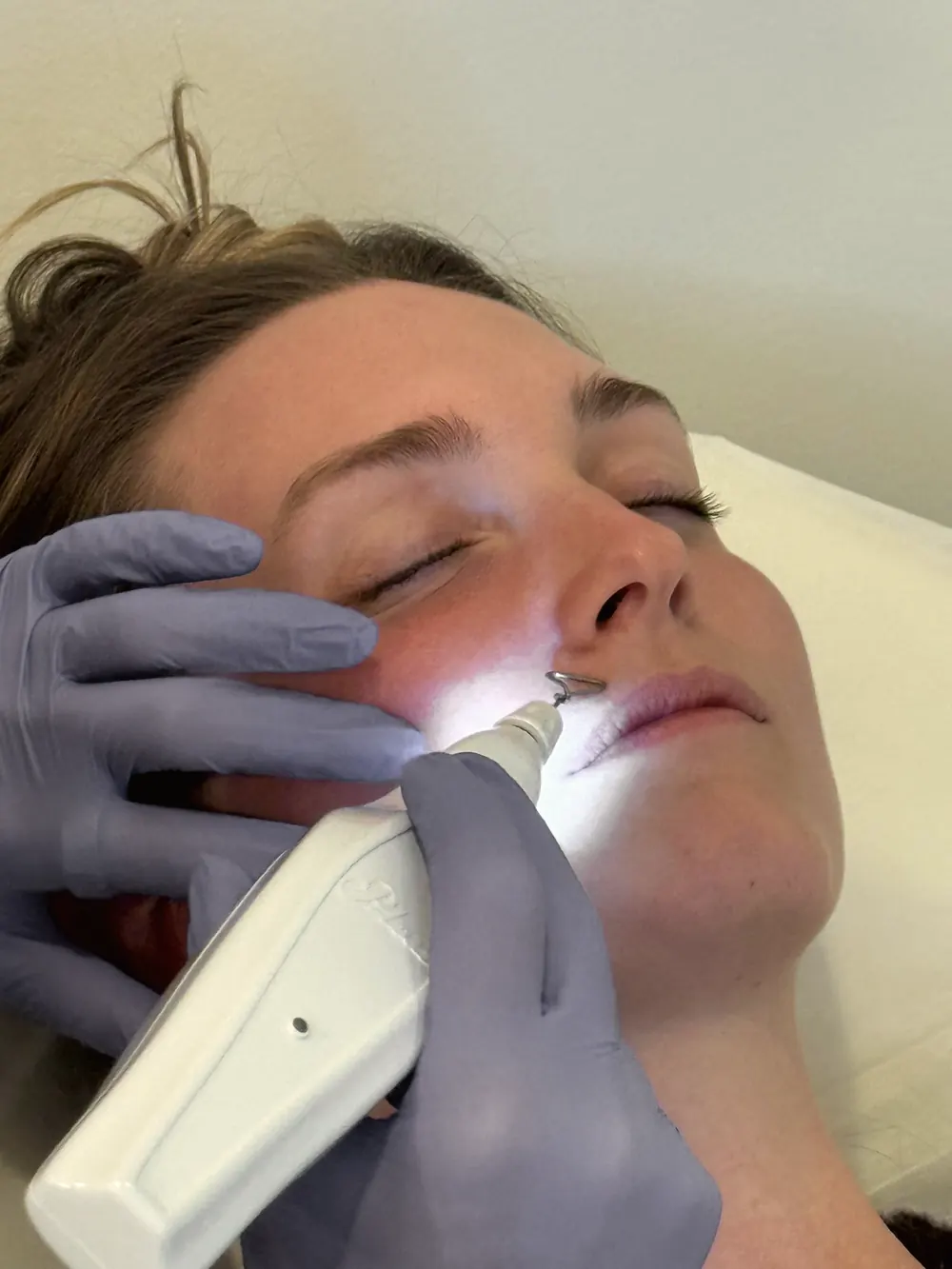
What the technology gives you
Precision where it
matters most.
Plexr Plus delivers energy to a single point of tissue at a time, sublimating it directly rather than heating the area around it. That precision is what lets the work be taken in close to the places people most want changed — the eyelid, the lip line, fine etched lines — and treated by zone rather than sold as one fixed package.
What you can expect
Contraction on the day. Collagen for months after.
Tissue tightens visibly during the session. As the skin settles over the following week the lift becomes clearer, and collagen remodelling continues underneath for six to twelve months — a change many patients hold for two to four years.
Plasma is what we have built the practice around, and at your consultation we will tell you plainly whether it is the right tool for your concern.
Four protocols
One technology.
Four different jobs.
The choice between them is a trade between intensity of change and how much recovery time you are willing to spend.
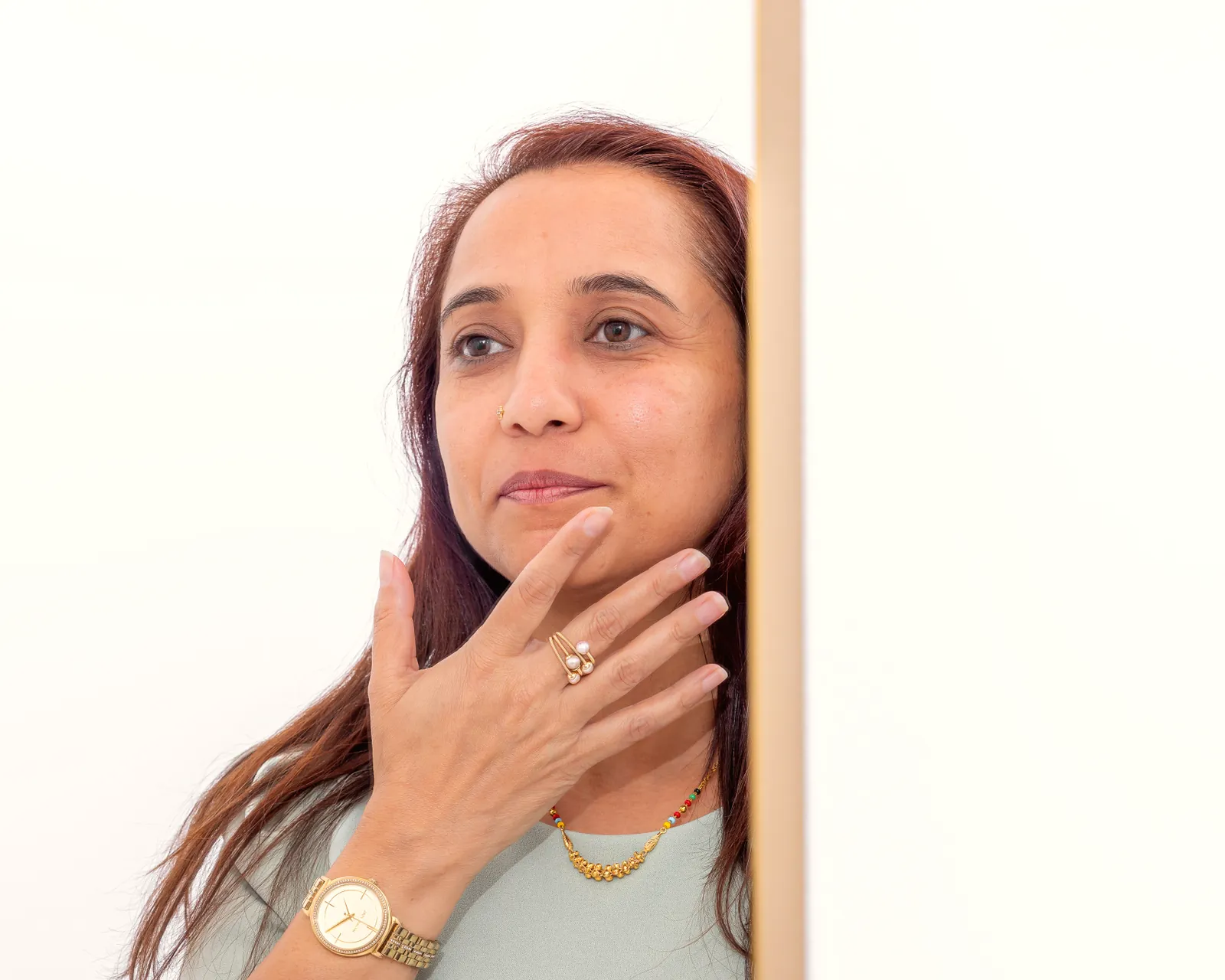
GlassLIFT & Plexr Shower
Nano-plasma distributed across the surface rather than concentrated as ablative energy. Luminosity and tightening without taking a day off.
- Investment
- $1,099 per session
- Downtime
- None · no numbing required
- Protocol
- Series of 3 recommended
- Results
- Typically visible by the next morning
- Best for
- Anyone who cannot schedule recovery
CAT Resurfacing
Controlled plasma applied in a fine cross-hatch pattern. The most intense controlled micro-injury we offer, and the largest change in skin quality.
- Investment
- $1,999 per session
- Downtime
- 5–7 days · mild crusting resolves naturally
- Sun
- Stay out of the sun 7–10 days afterward
- Protocol
- Series of 3 recommended
- Results
- Progressive over 2–6 months
- Best for
- Texture, sun damage, tone, scarring
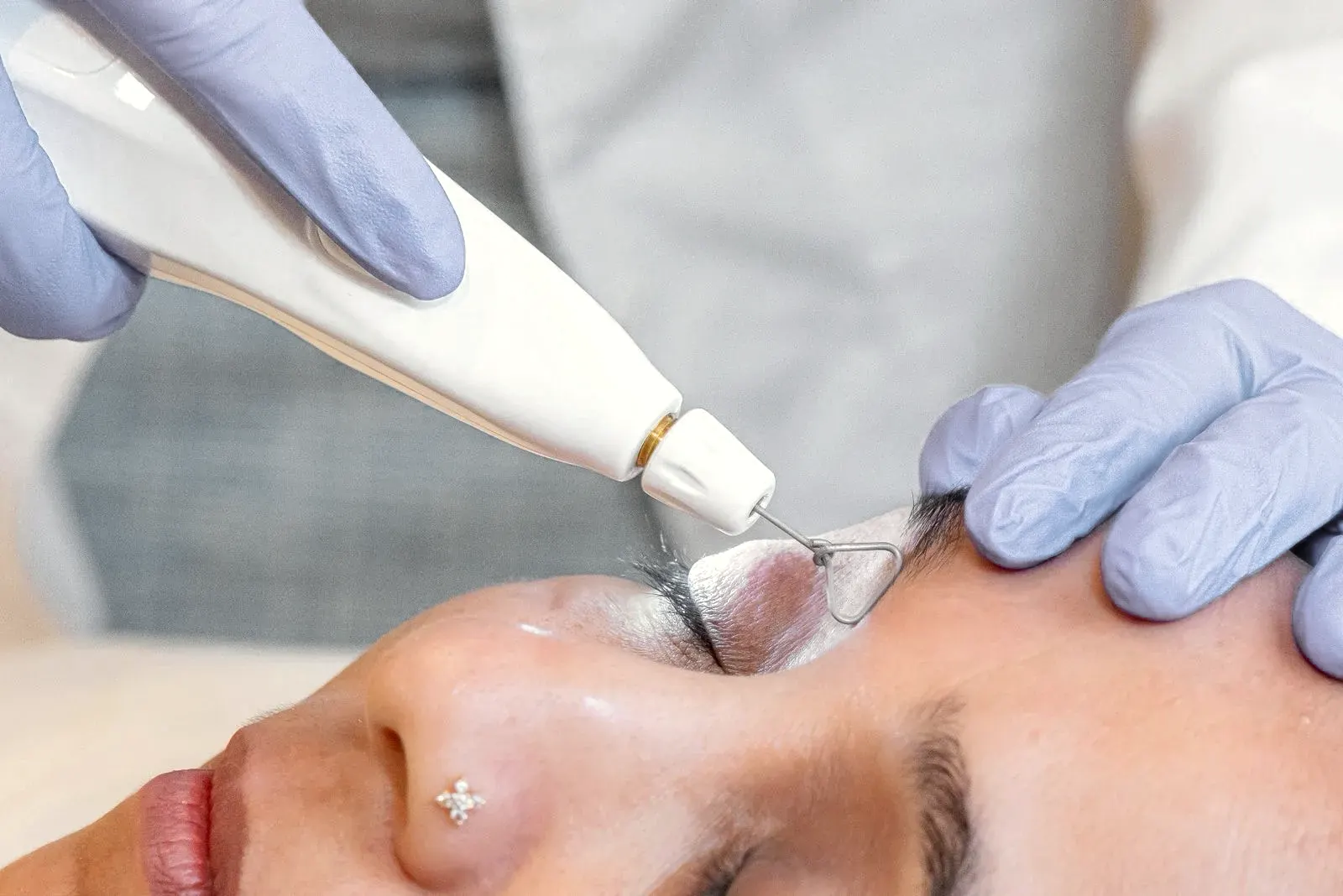
Non-surgical eyelid lift
Hooded and heavy lids corrected without a blade, without sutures, and without anesthesia — the reason most people postponed surgery in the first place.
- Investment
- Plasma protocols from $599
- Protocol
- Series of 3 sessions
- Evidence
- Published case series · results vary by anatomy
- Best for
- Hooded lids, brow heaviness
Plexrplasty soft surgery
Neck, face, and body correction using a soft-surgery approach: no incisions, no sutures, no general anesthesia.
- Investment
- $1,999 per session
- Approach
- Soft surgery · no incisions
- Areas
- Face, neck, body
- Protocol
- Series of 3 recommended
- Best for
- Laxity that creams cannot reach
What it looks like
Seven seconds
in the chair.
No stock footage and no re-enactment — this is a Rockstar treatment being performed at the Ann Arbor clinic. Plasma is applied point by point across the treatment area, which is what the fine cross-hatch pattern comes from.
Book your free consultation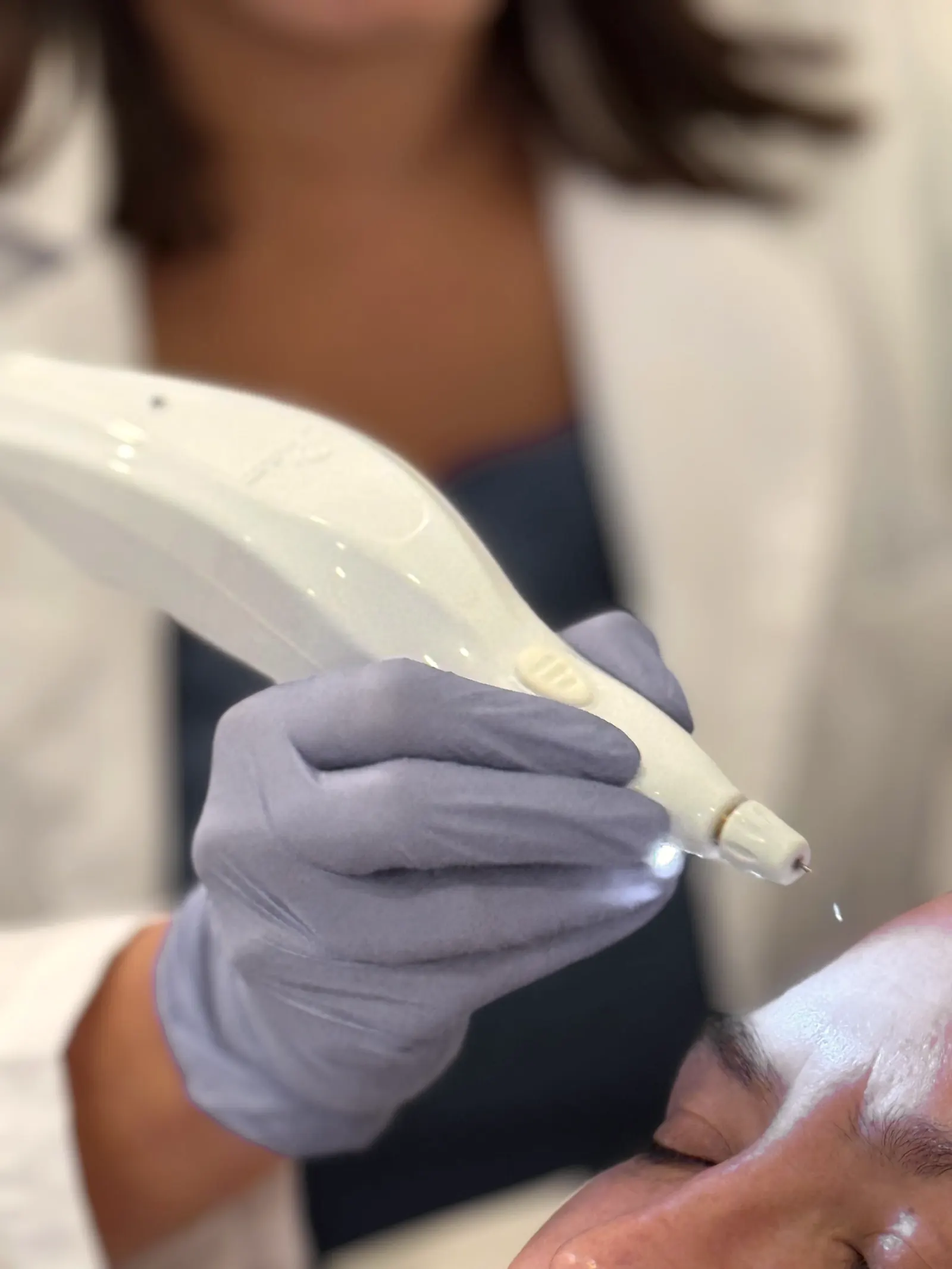
What Plexr Plus does for your skin
Tighten, lift and resurface.
No incisions.
Plexr Plus is a medical-grade plasma device. It uses ionised gas to sublimate one precise point of tissue at a time — vaporising it directly, without transferring heat into the skin around it. The tissue contracts on the spot, and a collagen response builds underneath for months afterwards.
In practice that means visible contraction on the day of treatment, progressive tightening as the skin settles over the following week, and skin-quality change that keeps developing for six to twelve months. Many patients hold that result for two to four years.
Because the energy is not light-based, it can be worked in close to the places that matter most — the eyelid, the lip line, fine etched lines — with pinpoint precision, and the treatment is customisable by zone rather than sold as one fixed protocol.
Book your free consultationPlasma questions
What people ask.
How does plasma compare to a CO2 laser?
Laser resurfacing uses light energy and carries a thermal footprint. Plasma sublimates tissue point by point with no thermal spread. The class of result is comparable; the candidacy is much broader, which is the practical difference for most people who ask.
Does it hurt?
Topical numbing is used for the ablative protocols. GlassLIFT and the Rockstar Treatment generally require no numbing at all.
What does the recovery look like?
For CAT resurfacing, five to seven days of fine crusting that lifts naturally — do not pick it — and you should stay out of the sun for seven to ten days afterward. For GlassLIFT and the Rockstar Treatment, none.
Can I have this done in summer?
Yes. Plasma is not photothermal, so the seasonal restrictions that apply to lasers do not apply here. You will need to stay out of the sun for seven to ten days after CAT resurfacing while the skin heals, and diligent sun protection after that.
Is it safe for darker skin?
Plasma is appropriate for Fitzpatrick I through VI, which is its clearest advantage over ablative laser. As with any ablative procedure, post-inflammatory hyperpigmentation is a possible outcome in deeper skin tones; we assess and counsel on this at consultation.
How many sessions will I need?
A series of three is the recommendation across our plasma protocols — eyelid, resurfacing and soft surgery alike. Each session builds on the collagen response of the last, which is why the third does more than the first. Annual maintenance after that.
How long do results last?
You are creating new collagen, so the result ages with you rather than washing out on a fixed schedule. Most patients return annually for maintenance. Durability varies with age, skin quality, and sun exposure.
Will there be scarring?
Plasma sublimates without cutting and without thermal injury to surrounding tissue, so scarring is not the expected outcome. Aftercare compliance matters and we walk you through it.
Am I too old, or too young?
Neither is disqualifying on its own. Tissue quality and laxity pattern determine candidacy, which is exactly what the consultation assesses.
What does it cost?
Pricing depends on protocol and area, and you will get specific numbers at the consultation before committing to anything.
Free consultation
Find out if plasma is your tool.
Free consultation with a board-certified clinician. If plasma isn’t right for you, you’ll leave knowing exactly why.
Book your free consultationAccredited & licensed
 Cellular Medicine Association
Licensed Vampire Facial® provider American Academy of Procedural Medicine
Board certified · Anti-Aging & Functional Medicine
A regenerative aesthetics and longevity clinic — skin, hair, and root-cause medicine under one roof.
Treatments
Visit
- 2217 Packard St #15
- Ann Arbor, MI 48104
- Thu–Mon · 10am–7pm
- By appointment